

Afghanistan’s Arts & Culture — A Concise, Lively Overview
Afghanistan’s culture sits at the crossroads of Central, South, and West Asia. For millennia, caravans, scholars, and artisans moved along the Silk Roads through Balkh, Herat, Ghazni, and Kabul—blending influences from Persian, Turkic, Indian, Arab, and Greek worlds. The result is a rich mosaic of languages (Dari, Pashto, Uzbeki, Turkmeni, Hazaragi, Nuristani, Baluchi), faith traditions, and artistic styles that feel both ancient and alive.
Visual Arts & Architecture
Ancient to Islamic Eras
From the Buddhist masterpieces of Bamiyan and Gandharan sculpture to the Timurid brilliance of 15th-century Herat, Afghan art spans stone, stucco, and dazzling glazed tile.
Signature Monuments
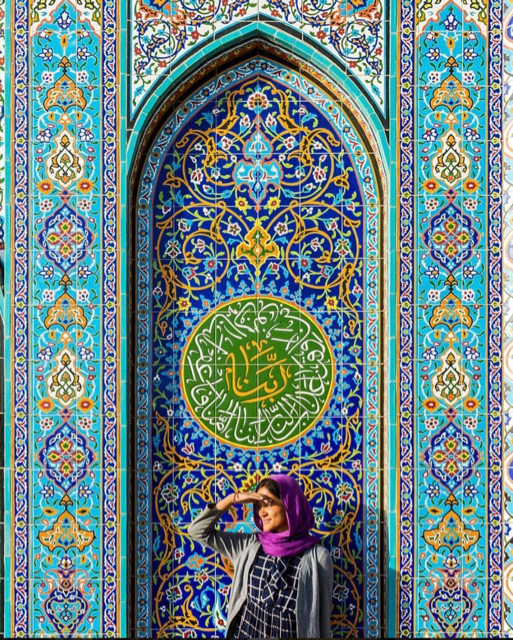
The Minaret of Jam’s brick calligraphy, Herat’s Friday Mosque, and Mazar-i-Sharif’s Blue Mosque with shimmering faience reflect refined craft and urban life.
Calligraphy & Miniature
Qur’anic calligraphy and Persianate miniatures flourished in Herat’s ateliers, blending script, geometry, and color.
Materials
Lapis lazuli from Badakhshan colored manuscripts and European paintings alike; onyx, carnelian, and jade accent jewelry and inlay work.
Textiles & Crafts
-
Carpets & Kilims
Turkmen “gul” motifs, Baluch tribal patterns, and modern “war rugs” tell stories in wool.
-
Embroidery
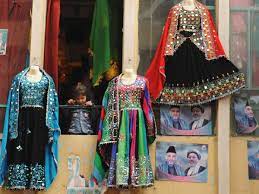
Regional styles like Kandahari khamak, Hazara needlework, and Kuchi mirror-work decorate garments and dowry pieces.
-
Pottery & Woodwork
Istalif ceramics are famed for turquoise glazes; Nuristani woodcarving features bold figures and architectural reliefs.
-
Metal & Jewelry
Silver, coins, and glass beads shape nomadic adornments; brass and copper hammered into trays, ewers, and lamps.

Music & Dance
Instruments
The rubab (often called the national instrument), dambura, dutar, tanbur, ghichak, tabla, and harmonium anchor classical and folk traditions.
Genres
Persian ghazal singing, Pashto tappa, and Uzbek/Turkmen epics thrive alongside regional lullabies and wedding songs.
Dance
The Attan—with its spiraling steps and rising tempo—is performed at celebrations and gatherings, symbolizing unity and endurance.

Literature & Poetry
Classical Giants
Balkh-born Rumi (Jalal al-Din), Jami of Herat, Sanai of Ghazni, and mystic Ansari mark the Persian canon; in Pashto, Khushal Khan Khattak and Rahman Baba embody courage and gentle piety.
Oral Tradition
Proverbs, folktales, and the qissa-khwani (storyteller) tradition carry wisdom across generations.
Modern Voices
Contemporary poets and novelists (inside and across the diaspora) explore memory, migration, and rebuilding identity.

Performing Arts, Film & Contemporary Expression
Theatre & Film
From early Afghan Film productions to international award-winners, cinema has chronicled everyday life and resilience.
Visual Modernism
Contemporary painters, photographers, and muralists blend calligraphy, pop iconography, and social themes.
Design & Media
Fashion, calligraffiti, and digital arts reinterpret motifs—stars, vines, arabesques—for new audiences.

Everyday Culture
Hospitality
Guests are honored with tea, sweets, and a spread on the dastarkhān. Respectful greetings and generosity are social pillars.
Clothing
Perahan-tunban, chapan, embroidered vests, shawls, and karakul hats reflect regional styles. Henna decorates hands during weddings and Eid.
Cuisine
Qabuli pulao, mantu, ashak, kebabs, qormas, bolani, qurut, naan, nuts, and dried fruits—always with tea.

Festivals, Sports & Rituals
Holidays
Nowruz, Eid al-Fitr, Eid al-Adha, and local harvest festivals bring music, food, and gatherings.
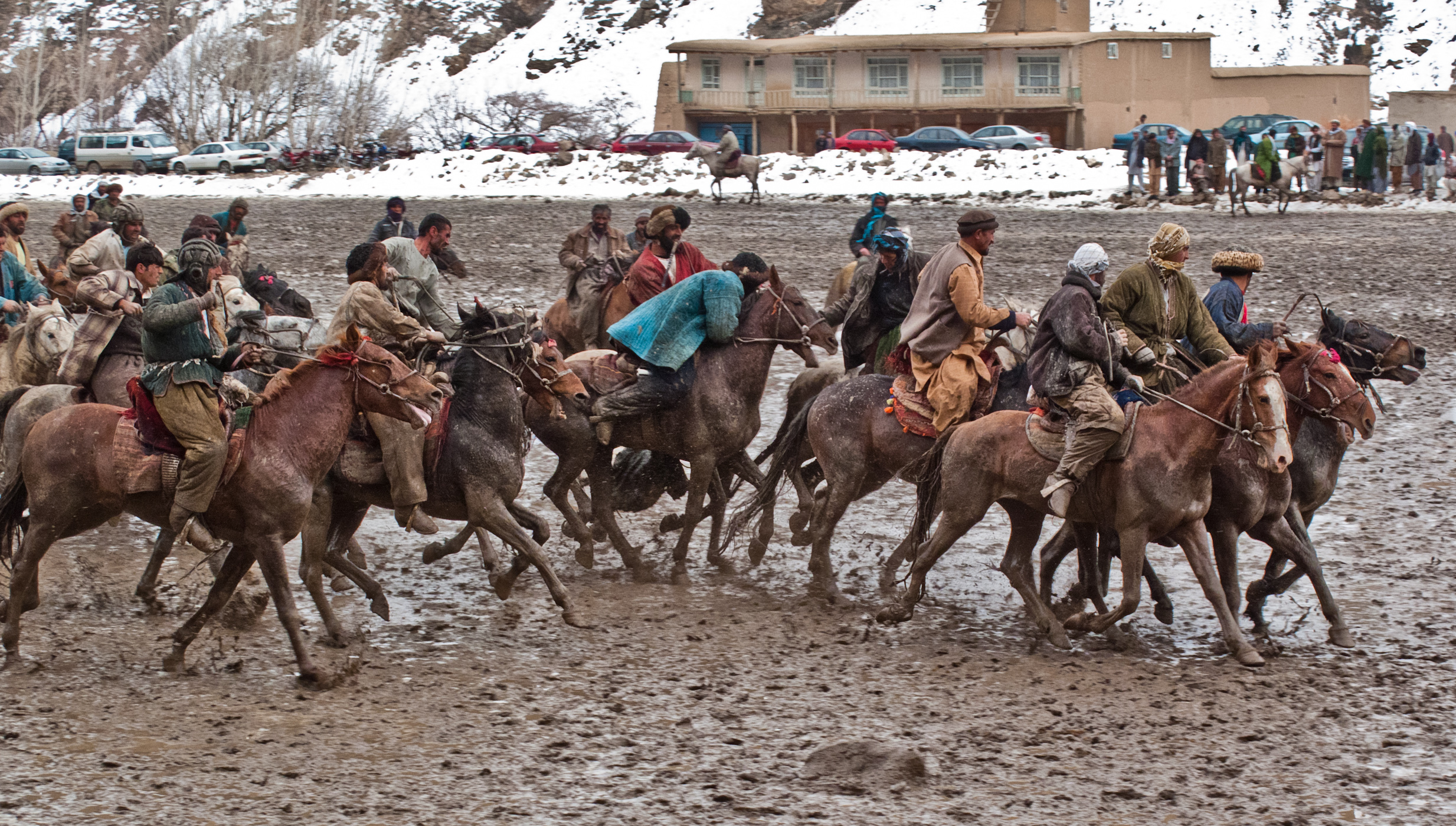
Buzkashi
The horseback game of strength and strategy remains an emblem of northern highland culture.
Life-cycle Customs
Weddings, naming ceremonies, and community gatherings weave poetry, music, and gift-giving into bonds.

Diversity, Continuity & Resilience
Afghan culture is not one story but many—Pashtun, Tajik, Hazara, Uzbek, Turkmen, Aimaq, Nuristani, Baluch, and others—each adding languages, motifs, instruments, and cuisines.
Despite war and displacement, families, artisans, and scholars have safeguarded manuscripts, rebuilt museums, revived crafts, and kept songs alive. The diaspora amplifies this through exhibitions, translations, and education.
Explore Afghanistan cultural gems
Whether you're exploring the cultural wonders of Afghanistan, discovering its ancient heritage, or experiencing its vibrant traditions, there are countless ways to immerse yourself in the richness of Afghanistan's identity.

18Jul
If you wish to open a business or invest in property in Afghanistan, you can apply for five and ten-year residency visas.
Upcoming Events
From cultural festivals and traditional music performances to local exhibitions and seasonal celebrations, Afghanistan offers a vibrant calendar of events that highlight its rich heritage and community spirit.


18Jul
All the arts & culture hotspots
Whether you're visiting Afghanistan for its cultural richness, planning to explore its historic landscapes, or seeking a deeper connection with its traditions, there are countless ways to experience the true essence of Afghanistan.


18Jul

18Jul

18Jul
Frequently Asked Questions
- 1. Afghanistan was a key stop along the ancient Silk Road trade route.
- 2. The country is famous for its handwoven carpets, considered among the best in the world.
- 3. The national sport is Buzkashi — a horseback game like polo, but with a goat carcass.
- 4. Afghanistan has two official languages: Dari and Pashto.
- 5. The Buddhas of Bamiyan, once among the tallest in the world, were carved in the 6th century.